
TL;DR
- Gum recession is when gum tissue pulls away from teeth, exposing sensitive roots and increasing the risk of decay or loss.
- Common causes include aggressive brushing, gum disease, poor hygiene, genetics, smoking, and hormonal changes.
- Symptoms often feature tooth sensitivity to hot/cold, longer-looking teeth, bleeding gums, bad breath, and loose teeth.
- Periodontist-recommended treatments range from deep cleaning, laser therapy, orthodontic treatment, to gum grafts or surgery.
- Prevention involves gentle brushing, flossing daily, quitting tobacco, and regular dental checkups.
- Early detection via professional exams halts progression and protects oral health.
What is Gum Recession?
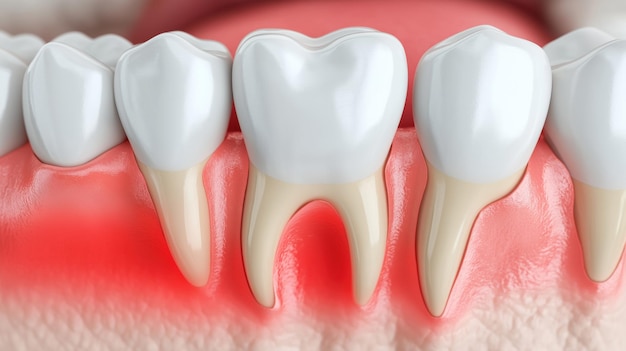
Gum recession is a condition where the gum tissue gradually pulls away from the teeth, exposing the roots. This can lead to increased sensitivity, a higher risk of tooth decay, and, in severe cases, tooth loss. According to studies in periodontics, over 88% of adults aged 65 and older in the United States suffer from gum recession, with more than half showing at least one site affected.
Since gum recession affects both the gums and the supporting bone, it requires professional care. Periodontists, dentists who specialize in gum health, can provide targeted treatments to slow or stop recession and preserve your smile. In this article, we will discuss how to stop receding gums. But first, let’s take a closer look at the causes.
What Causes Receding Gums?
Gum recession rarely develops due to a single reason. Its development is almost always related to a combination of daily habits, oral health issues, and individual risks:
- Poor Oral Hygiene: Plaque that isn’t removed hardens into tartar, irritating the gums and causing them to pull away. Long-term inflammation can also damage the supporting bone.
- Aggressive Brushing: Using a hard-bristled toothbrush or brushing too vigorously can wear down gum tissue over time, exposing the roots.
- Gum Disease (Gingivitis/Periodontitis): Bacterial infections inflame the gums, destroy supporting tissue, and can lead to gum pockets or recession.
- Tobacco Use: Smoking or chewing tobacco reduces blood flow and weakens the immune response, increasing the risk of gum inflammation and recession.
- Hormonal Changes: Hormonal fluctuations during puberty, pregnancy, or menopause make gums more sensitive, accelerating inflammation and recession.
- Teeth Grinding or Misalignment: Crooked teeth, a bad bite, or grinding/clenching can place extra pressure on the gums, gradually wearing them down.
- Genetic Predisposition: Naturally thin gums or a tendency toward dental disease can increase the risk of gum recession, even with good oral care.
Periodontist-Recommended Treatments to Stop Gum Recession
How to stop receding gums? Many people seek effective treatments for their gums by visiting a gum specialist. Here are some common approaches our experts at Periodontal Specialists take:
Scaling and Root Planing
This deep clean eliminates plaque and tartar accumulated below the gumline. A periodontist removes deposits using tools and smooths the roots to help the gums reattach. The benefits include reduced inflammation and halted recession. It is recommended for early to moderate periodontal disease when hygiene alone is inadequate.

Gum Grafts
For more advanced gum recession, where the tooth roots are clearly visible, or the risk of decay is high, a gum graft may be recommended. In this procedure, tissue is taken from the roof of the mouth or a donor source and carefully placed over the exposed roots. The graft is then secured to protect the area, thicken the gums, and restore coverage. This treatment helps reduce sensitivity and provides long-term protection for the affected teeth.
Pinhole Surgical Technique (PST)
For those wondering how to stop gums from receding without invasive surgery, the pinhole technique gently repositions the gums through a small pinhole, without cuts or stitches. Collagen is then placed to support healing and stabilize the gums. This approach involves minimal discomfort, no grafts, and a quicker recovery, making it suitable for treating multiple areas in mild to moderate cases.
Laser Therapy
Laser treatment uses focused light energy to remove diseased tissue and bacteria while sealing blood vessels at the same time. This helps stimulate healing with minimal bleeding and discomfort. It is often recommended for infected gum pockets or early-stage periodontitis to stop the disease from progressing.
Orthodontic Treatment
Braces or clear aligners help correct bite problems and spacing issues that place extra stress on the gums. By improving alignment, they distribute pressure more evenly and reduce further gum wear. This approach is most effective when gum recession is linked to crowding, misalignment, or grinding habits.
Home Care & Prevention Tips
To learn how to stop a receding gum line, start with daily habits that protect the gum tissue and prevent further damage. Here are some easy tips from our experts at Periodontal Specialists:
- Gentle Brushing Technique: Use a soft-bristled toothbrush and gentle strokes when brushing. Hard bristles and aggressive scrubbing can gradually wear away the gums. Brushing twice a day with light pressure and small circular motions helps keep teeth clean without causing trauma to the gum tissue.
- Flossing and Mouthwash: Flossing removes plaque between teeth that brushes often miss, while antibacterial mouthwashes help control harmful bacteria. Together, they reduce inflammation and help gums reattach.
- Avoid Tobacco Products: Smoking or chewing tobacco reduces blood flow to the gums and delays healing. The health of tissues and the risk of recession improve greatly after one stops smoking.
- Eat a Balanced Diet: Eat foods rich in vitamins C and D. Vitamin C supports collagen for healthy gums, while vitamin D helps calcium absorption for strong bones. Include citrus fruits, leafy greens, dairy, and fatty fish regularly.
- Manage Teeth Grinding With a Night Guard: Grinding teeth adds stress to the gums and erodes support. A custom night guard from your dentist cushions teeth and prevents overnight wear.
Schedule dental checkups every six months for monitoring. Early detection stops the progression and keeps gums healthy long-term.

Takeaway
Understanding how to stop receding gums starts with consistent, gentle home care and timely professional treatment. Using a soft-bristled toothbrush, carefully cleaning the gum line, and addressing early gum inflammation help slow or halt further recession while protecting exposed roots from sensitivity and damage.
For advanced cases, we, at Periodontal Specialists, provide a wide range of care within periodontal specialties, based on what your gums need. Treatment may include professional cleaning, laser therapy, bite correction, or gum tissue grafting when extra tissue is required to protect exposed roots.
If you notice signs of gum recession, contact Periodontal Specialists for timely care. Our periodontists in Rochester,Northfield,Red Wing,Owatonna, and Winona offer personalized treatment plans to help keep your gums healthy and your smile strong.
FAQs
Can receding gums grow back naturally?
Once gums have been lost through recession, they cannot grow back on their own because gum tissue cannot regenerate like skin. Good oral hygiene, gentle brushing, and flossing can further prevent recession, but the tissue will not grow back. See a dentist for other options, including grafts if necessary.
Is gum recession reversible?
Gum recession itself is not fully reversible, and once lost, the tissue does not regenerate. However, it is easy to halt its further progression with early treatments such as deep cleaning or grafts, and its appearance can also be easily restored. See a periodontist without delay.
Is it possible to treat gum recession without surgery?
Yes, mild gum recession can often be treated without surgery. Treatments such as scaling and root planing clean below the gumline to reduce inflammation and help the gums heal. In some cases, antibiotics, desensitizing treatments, or orthodontic care may also be used to prevent further recession.
How often do I need to visit a periodontist?
If you have periodontal disease, or if you are at risk through smoking and diabetes, you are advised to visit a periodontist every 3 to 4 months. Healthy patients may require check-ins at 6-month or yearly intervals for monitoring purposes. Your dentist will adjust this depending on your oral health.
Does brushing aggressively result in receding gums?
Indeed, aggressive brushing can cause receding gums, as the method wears and tears the gum tissues and enamel over time, thereby exposing the sensitive roots of the teeth. The abrasion to the tooth from the toothbrush leads to inflammation, bleeding, and a greater risk of decay when unchecked. To avoid this, use soft bristles and gentle, circular movements at a 45-degree angle.