TL;DR
- Daily cleaning keeps dental implants healthy and protects the gums around them.
- Skipping care can allow plaque to build-up, which may cause inflammation, bad breath, or implant failure over time.
- Brushing twice a day with a soft toothbrush helps keep the implant surface and surrounding tissues safe.
- Using non-abrasive toothpaste prevents scratches and keeps the implant smooth.
- Flossing removes plaque along the gumline, and tools like interdental brushes or water flossers reach areas a toothbrush can’t.
- Professional cleanings every six months maintain implant health and help detect problems early.
- Avoiding hard foods and quitting smoking supports the long-term stability of your implants.
Why Caring for Dental Implants Matters?
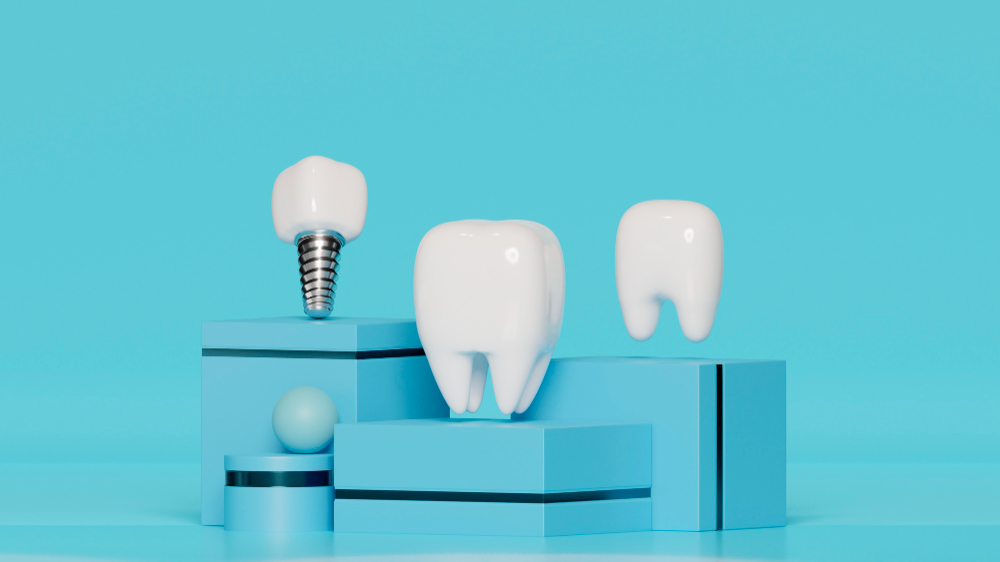
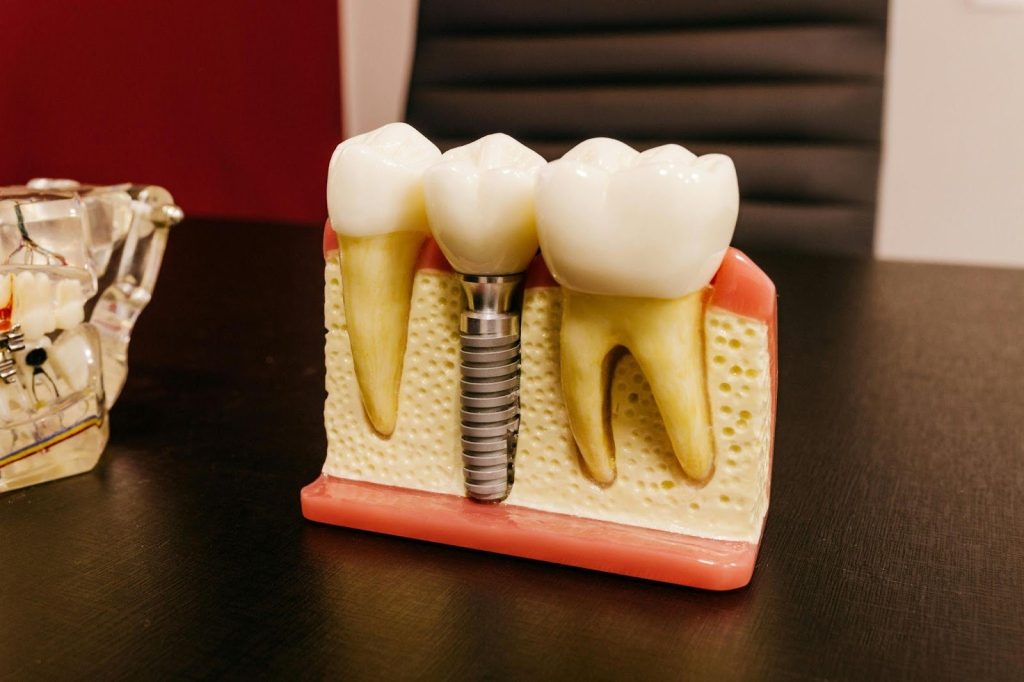
Dental implants are artificial tooth roots placed in the jaw to replace missing teeth and restore a strong, natural-looking smile. Even though implants don’t get cavities, the tissues around them can still get inflamed or infected if they’re not cleaned properly. That’s why understanding how to clean dental implants is so important for keeping them stable and healthy over the years.
This guide walks you through everything that actually matters for implant care, including why cleaning dental implants is important, what your daily routine should look like, when to get professional cleanings, and the lifestyle habits that help implants last for the long term.
Why Cleaning Dental Implants is Important?
Plaque and bacteria can still collect around dental implants, even though the implant itself cannot decay. If cleaning is neglected, this build-up can inflame the gums and lead to peri-implantitis, a condition where infection causes bone loss around the implant and increases the risk of implant failure.
Here’s what regular cleaning really helps with, as per our experts at Periodontal Specialists:
- Preventing gum inflammation by stopping plaque build-up around the implant.
- Reducing bad breath, as food particles can collect around implant edges.
- Protecting bone and gum support, which helps the implant last longer.
- Lowering gum sensitivity by keeping tissues healthy.
- Reducing avoidable dental visits, since many implant problems begin with poor plaque control.
Daily Cleaning Routine for Dental Implants

A good dental implant cleaning routine ensures your implants remain stable and functional for years:
1. Brushing Your Implants
Dental implants still need regular brushing to remove plaque. You can use either a soft-bristled manual toothbrush or an electric toothbrush. Brush twice daily for two minutes using small, gentle circular motions. Angle the brush towards the gumline where the implant meets the gums to prevent bacterial build-up.
2. Using the Right Toothpaste
Choose a non-abrasive toothpaste. Whitening or highly abrasive formulas can scratch the implant surface, making it easier for plaque to collect. A mild toothpaste helps maintain a smooth, clean implant crown.
3. Flossing Around Implants
Flossing is essential, but it requires the right tools. Implant-specific floss, super floss, or a floss threader helps clean around the implant crown. Gently curve the floss around the implant and clean both sides without forcing it under the gums.
4. Using Interdental Brushes and Water Flossers
Interdental brushes help clean narrow spaces that brushing may miss. Use soft, flexible bristles to avoid surface damage. Water flossers are also effective, as they flush plaque from below the gumline without applying pressure to the implant.
Professional Cleaning of Dental Implants
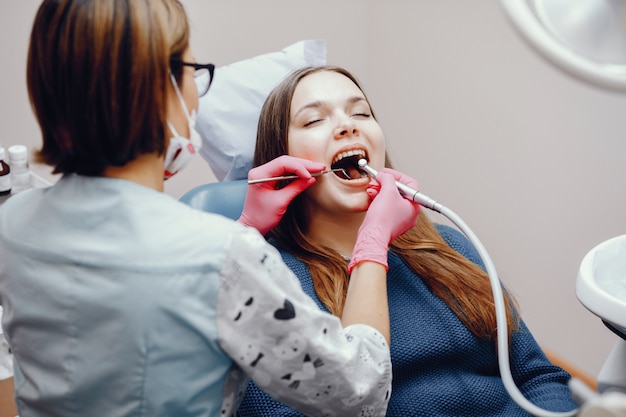
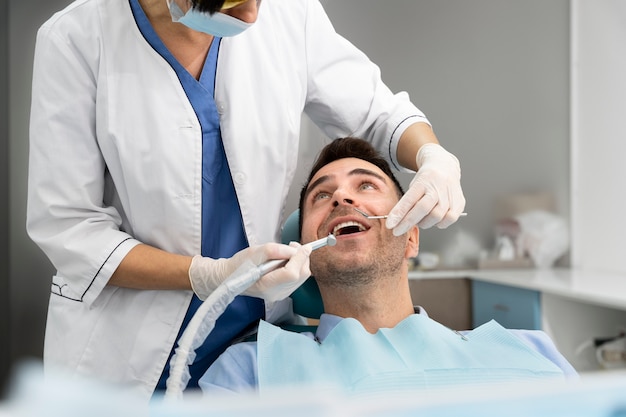
Even if you’re careful at home and know how to clean dental implants, professional check-ups are still really important. Here’s what happens during professional cleaning of dental implants:
- Scaling and polishing: Plaque and tartar are carefully removed from the implant surface and along the gumline to prevent irritation and infection.
- Assessment of gum health: The gums are checked for signs of redness, swelling, or bleeding, which may indicate early inflammation.
- Evaluation of crown fit: The dentist ensures the implant crown fits correctly and is not placing pressure on the surrounding gums.
- Stability check: The implant is examined to confirm it is firmly integrated and that the supporting bone remains healthy.
- Early detection of problems: Regular professional care helps identify early signs of gum disease or peri-implantitis before symptoms develop.
For most patients, a professional check-up and cleaning every six months is sufficient to maintain healthy gums and long-term implant stability.
Best Practices and Lifestyle Tips to Keep Dental Implants Healthy
Taking care of dental implants isn’t just about what happens at the dentist’s office; your everyday habits make a huge difference. Certain foods and routines can put extra pressure on your implants or irritate the gums, so a little awareness goes a long way.
Foods To Watch Out For:
- Hard foods like ice, nuts, or hard candies can crack or stress the implant crown.
- Sticky foods like caramel, gummies, or anything that sticks to your teeth can be tricky to clean.
- Sugary foods and drinks can speed up plaque build-up and irritate your gums.
Everyday Habits That Help:
- Quit smoking, as it damages the gums and slows healing around dental implants.
- Limit alcohol intake, because excessive consumption can affect gum health and weaken the supporting bone.
- Brush and floss daily. Dental implants need the same care as natural teeth, and gentle brushing twice a day with regular flossing helps control plaque and protect the implants.
- Use a nightguard if you grind your teeth, as it helps reduce pressure and prevents unnecessary wear on the implants.
- Rinse your mouth after meals when brushing is not possible, which helps remove food particles and keeps the mouth clean and fresh.
Conclusion
Dental implants restore not just your smile but also your ability to eat, speak, and live comfortably. They support your jawbone, maintain your facial structure, and feel just like natural teeth.
Learning how to clean dental implants helps protect your smile and keep your implants healthy for years. A simple daily cleaning routine, along with professional check-ups, keeps the gums and bone strong and prevents inflammation.
At Periodontal Specialists, our team can guide you through every step. Schedule a consultation with our periodontists in Rochester,Northfield,Red Wing,Owatonna, or Winona to find the best solution for your smile.
FAQs
Can dental implants get cavities?
No, the implants themselves can’t get cavities. The area around them, though, especially the gums, can get irritated or inflamed if plaque builds up and isn’t cleaned regularly.
Are electric toothbrushes safe for implants?
Yes, they are. Just make sure the brush has soft bristles. They should clean properly without harming the implant or the surrounding gum tissue.
What should I do if my dental implant starts to feel loose?
If you notice any movement or shifting, call a periodontist right away. Implants are supposed to stay firmly in place, so it’s important to get them checked as soon as possible.
What kind of toothpaste should you use with dental implants?
Pick a non-abrasive toothpaste. It keeps the implant crown smooth and helps prevent any scratches or damage.
What signs suggest that a dental implant might be infected or failing?
Watch for swelling, tenderness, or any bleeding around the implant. These are signs that something might be wrong, and getting it checked early can prevent bigger issues.
Do you have to brush dental implants?
Yes. Brushing dental implants twice a day and flossing regularly helps prevent plaque build-up and protects the gums and bone around the implant, keeping them healthy.