
TL;DR
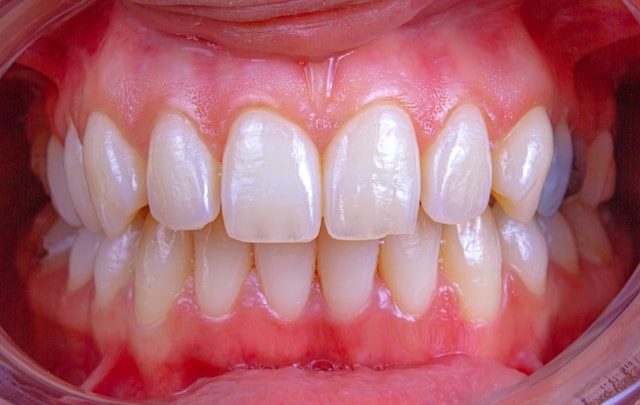
- Gum disease has 4 stages
- The main cause is plaque buildup from poor oral hygiene, made worse by smoking, diabetes, and genetics.
- Early signs are often painless, such as red, swollen, or bleeding gums, which people often ignore until they become serious.
- Prevention is simple: brush twice daily, floss daily, and visit your dentist every six months.
Understanding the Risk of Gum Disease
Strong, healthy gums are essential for a beautiful smile, yet many people underestimate the care they require and fail to notice when their gums are at risk. Gum problems often develop in the background, causing damage long before symptoms become obvious. In fact, periodontal disease affects nearly 1 in 2 men and 1 in 3 women over 30 in the United States, making it one of the most common conditions in the country.
Early signs are usually subtle, such as slight redness, swelling, or tenderness, but if left untreated, gum disease can progress through multiple stages, ultimately progressing to tooth loss and other serious oral health problems. Understanding the periodontal disease stagesallows you to spot warning signs early and take proactive steps to protect your gums, your teeth, and your overall smile.
What Causes Periodontal Disease?
Periodontal disease occurs when bacterial plaque builds up along and beneath the gum line, triggering an inflammatory response that can damage both the gingiva (the soft gum tissue surrounding your teeth) and the underlying bone that supports them.
Poor oral hygiene is the primary reason that people develop gum disease. In addition, several risk factors can accelerate its progression.
- The use of tobacco products significantly reduces blood flow to the gum tissue, limiting the body’s ability to fight infection and heal itself.
- Genetics can predispose some individuals to more aggressive forms of gum disease.
- Hormonal changes during the course of pregnancy or menopause can increase susceptibility to inflammation.
- Medical conditions such as diabetes increase the risk of bacterial infections.
- Poor nutrition deprives the body of essential vitamins and minerals needed for tissue repair.
- Teeth grinding places excessive force on the gums, causing damage to the periodontal ligament.
- Chronic stress often weakens the immune system, reducing its ability to fight bacterial invasion in the mouth.
Periodontal Disease Stages
The typical stages of periodontal disease are as follows:
Stage 1: Gingivitis (Early Gum Disease)
Gingivitis is the primary phase of gum disease and the only stage that is entirely treatable. It involves inflammation of the gums, which become red, swollen, tender, and may bleed during brushing or flossing. At this point, no permanent damage has occurred, but the irritation is caused by plaque bacteria affecting the gum tissue.
Many people do not realize they have gingivitis because it is often painless. As a result, cases frequently go untreated and can progress to more severe stages.
The key to treating this stage is consistent oral hygiene. Brushing twice in one day and flossing regularly helps remove plaque between your teeth. Using an antimicrobial mouthwash and seeing a dental hygienist every six months can also keep your gums healthy.

Stage 2: Early Periodontitis
Without treatment, gingivitis can progress to early periodontitis, the stage where permanent damage begins. The gums start separating from the teeth, creating small pockets where bacteria can collect, potentially leading to infection.
You might notice occasional bleeding while eating or brushing, mild gum recession, and persistent bad breath that brushing alone cannot eliminate. Dentists can detect early periodontitis using X-rays and by measuring pocket depth with periodontal probes.
While early periodontitis cannot be fully reversed, further progression can be halted through treatments like scaling and root planing. Your dentist may also prescribe antibiotics to control the bacterial infection.
Stage 3: Moderate Periodontitis
With moderate periodontitis, the pockets deepen to 6-7 mm, and there is noticeable bone loss when the jawbone is viewed under an X-ray. The teeth will also feel loose or tender.
At this stage, patients often experience persistent bad breath throughout the day. Bleeding occurs more frequently, gum recession becomes more noticeable, and shifting teeth can interfere with eating and speaking.
Periodontal disease progresses through stages, and at this point, the damage cannot be reversed. Treatment focuses on comprehensive management and preventing further deterioration. Prescribed treatment may involve specialized procedures, such as grafting or laser therapy, to protect exposed tooth roots, enhance appearance, and restore gum health.
Stage 4: Advanced Periodontitis
Advanced periodontal disease is the most serious stage of gum disease. At this point, there is extensive gum loss, pockets deeper than 7 millimeters, significant bone loss, and teeth that are so loose they may fall out or require extraction. While the damage cannot be reversed, treatment can help preserve the remaining teeth and restore function.
Beyond tooth loss, advanced periodontitis can cause changes in bite alignment, difficulty chewing, and an elevated risk of issues such as heart disease and stroke.
Treatment often includes surgery to reduce pocket depth, bone grafts to rebuild lost bone, and gum grafts to cover exposed roots. Dentures or dental implants can replace missing teeth, restore proper chewing, and prevent remaining teeth from shifting.
How to Prevent Periodontal Disease?
Preventing the progression of periodontal disease stages is always simpler than the resulting treatment.
- Your first line of defence is to practice good oral hygiene every day: use fluoride toothpaste to brush twice a day for two minutes, floss once a day to get rid of plaque between teeth, and rinse with antimicrobial mouthwash to combat excessive bacteria.
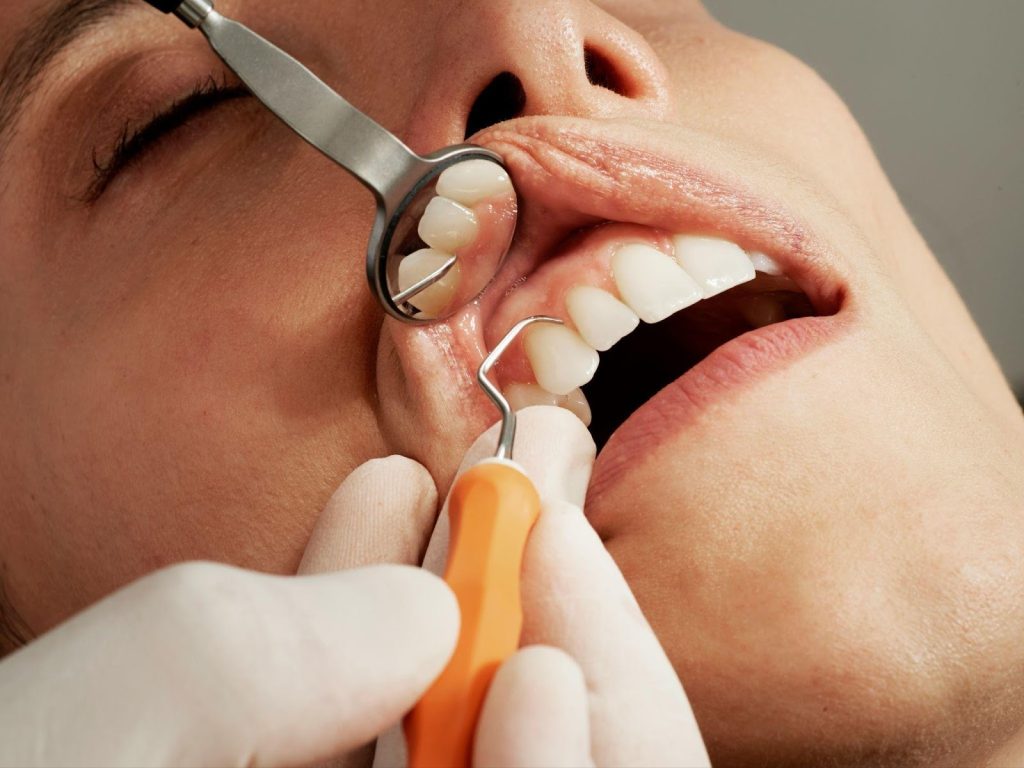
- Your dentist can detect gingivitis early and remove hardened tartar through professional cleanings during routine dental checkups every six months.
- A nutrient-rich diet can promote tissue repair post-treatment
- Effective management of chronic conditions like diabetes lowers the risk of infection, and quitting maladaptive habits like smoking can improve blood flow to the gums and speed up healing.
- Increased Vitamin C in the diet can help prevent bleeding gums.
Early intervention prevents years of treatment and saves thousands of dollars, protecting both your smile and overall health.
Final Thoughts
Understanding what each stage of periodontal disease looks like is essential for protecting your oral health and preventing long-term complications. From the warning signs of gingivitis to the severe effects of advanced periodontitis, timely diagnosis and professional care can make all the difference.
With consistent oral hygiene, regular dental visits, and prompt treatment, you can stop gum disease in its tracks and maintain a healthy, confident smile for years to come. Your journey to stronger, healthier gums begins with expert care.
Take Charge of Your Oral Health with Periodontal Specialists in Rochester, MN
At Periodontal Specialists in Rochester MN, we treat all stages of periodontal disease using the latest technology and proven techniques. We understand how uncomfortable gum disease can be, and since we opened our doors, we’ve endeavored to help our local community take charge of their oral hygiene.
From non-invasive laser therapy to advanced surgical procedures, our team provides personalized treatment tailored to your needs and a safe space to discuss concerns.
Call or visit your nearest office today!
Phone: 507-288-1338 (Rochester)
Email: rochester@periodontalspecialists.com
Address: 2647 Superior Dr NW, Rochester, MN 55901, United States
FAQs
Is periodontal disease contagious?
Periodontal disease bacteria can spread through saliva during activities like kissing or sharing utensils, even though the disease itself is not communicable. However, these bacteria only cause illness when combined with other risk factors, such as inadequate oral hygiene.
What are the complications of periodontal disease?
Beyond tooth loss, active periodontal disease increases your susceptibility to heart disease, stroke, respiratory infections, and impaired diabetes control.
Is periodontal disease curable?
Gingivitis can be fully treated and reversed with the right care. However, once periodontitis sets in, the damage to bone and tissue cannot be undone. Still, with proper treatment and good oral hygiene, the disease can be controlled, preventing further damage and keeping your gums as healthy as possible.
How fast does gum disease progress?
Some people can progress to severe periodontitis within months, while others may remain in the gingivitis stage for years. How quickly the disease advances depends on factors such as diabetes, smoking, genetics, and daily oral hygiene habits.
Can gingivitis be reversed?
Yes, gingivitis can be completely reversed with improved oral hygiene and professional dental cleanings. At this stage, no permanent damage has occurred to the bone or connective tissue, so consistent care can restore your gums to full health.