TL;DR
- Zygomatic implants anchor into the cheekbone and are designed for patients with severe upper jaw bone loss who cannot receive standard implants.
- A bone graft rebuilds lost jaw bone over several months, then allows conventional implants to be placed once the graft has healed.
- Zygomatic implants typically skip the grafting stage entirely, shortening overall treatment time significantly.
- Bone grafts work well for patients with moderate bone loss, while zygomatic implants are typically the better path when bone loss is severe, or grafting has previously failed.
- A periodontist evaluation is the only reliable way to determine which approach fits your anatomy and health history.
What’s the Difference Between Zygomatic Implants and a Bone Graft?
Research has shown that adults who lose teeth also experience measurable jaw bone loss. For patients with severe upper jaw deterioration, standard implants are usually not an option without additional intervention. In such cases, two main paths are available: zygomatic implants, which anchor into the dense cheekbone and bypass the weakened jaw entirely, or a bone graft, which rebuilds the jaw over time to support conventional implants.
The choice between zygomatic implants vs. bone graft isn’t about which is universally better but how much bone you’ve lost, your timeline, and your overall health. Dental implants placed after a graft work well in moderate bone loss cases, but when the upper jaw has deteriorated significantly, zygomatic implants offer a faster, more predictable route to a fixed smile.
What Are Zygomatic Implants?
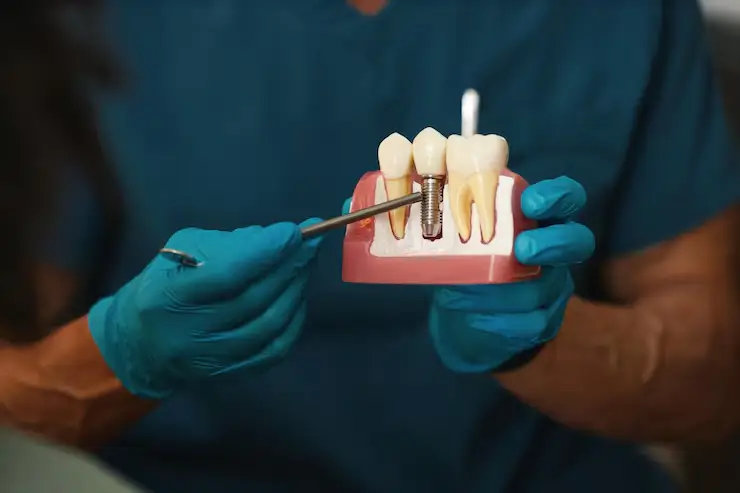
Zygomatic dental implants are longer than conventional implants (30 to 55mm) and are placed at an angle so they anchor into the zygomatic bone (cheekbone) instead of the upper jaw. Because the cheekbone is dense and unaffected by the same resorption that erodes the jaw, these implants provide strong, stable support even when little to no upper jaw bone remains.
The procedure is more surgically complex than a standard implant placement and requires a periodontist or oral surgeon with specialist training. Dr. Kristy Johnson at Periodontal Specialists performs advanced implant procedures for patients across Southern Minnesota, including cases where conventional implants are no longer viable.
Benefits of Zygomatic Dental Implants
The main benefits of zygomatic implants include:
- No bone grafting required in most cases
- Significantly shorter treatment timeline, with some patients receiving temporary teeth the same day
- Stable anchorage in patients with prior graft failure, severe maxillary atrophy, or conditions like maxillary sinus expansion
Limitations of Zygomatic Dental Implants
The main limitations of zygomatic implants include:
- Higher surgical complexity
- Greater cost
- Need for an experienced specialist
Outcomes are closely tied to the surgeon’s skill level and pre-surgical planning.
What Is a Bone Graft?
A bone graft involves placing bone material, taken from your own body, a donor, or a synthetic source, into an area where jaw bone has been lost. Over several months, this material integrates with your existing bone and creates enough volume for conventional implants to be placed securely.
Benefits of Bone Graft
The main benefits of bone graft include:
- Restores natural bone architecture
- Creates a foundation that supports long-term implant stability
- Generally less surgically involved than zygomatic implant placement
It works well when bone loss is moderate rather than severe, when patients are younger and have good healing capacity, and when the upper jaw still has enough residual structure for the graft to bond effectively.
Limitations of Bone Graft
The primary drawback of bone grafting is the time required, with the full process taking 12 to 18 months. If the graft fails to integrate, which can happen in patients with certain health conditions, poor bone density, or prior unsuccessful grafts, the entire timeline resets, and zygomatic implants may then become the recommended alternative.
Zygomatic Implants vs. Bone Graft: Side-by-Side Comparison
When weighing zygomatic implants vs. bone graft, these are the practical differences that matter most to patients:
| Factor | Bone Graft + Implants | Zygomatic Implants |
| Bone Requirement | Requires sufficient residual jawbone for grafting and implant integration. | Does not rely on the jawbone; implants anchor into the cheekbone (zygoma). |
| Surgery Stages | Usually involves two surgical phases: bone grafting first, followed by implant placement after healing. | Often completed in a single surgical procedure. |
| Treatment Timeline | Typically 12–18 months from grafting to final restoration. | Temporary teeth may be placed the same day, with treatment completed much faster. |
| Procedure Complexity | Well-established and commonly performed by many implant dentists. | More technically complex and should be performed by a specialist with advanced training. |
| Cost | Generally lower initial cost, though multiple procedures can increase total expenses. | Higher surgical fees upfront, but fewer procedures may offset some costs. |
| Best For | Patients with moderate bone loss who can accommodate a longer treatment timeline. | Patients with severe bone loss, previous graft failures, or those seeking a faster route to fixed teeth. |
Which Option Is Better for You?
Neither option is better in the abstract, and the right choice depends on your specific jaw anatomy, bone density, health history, and goals.
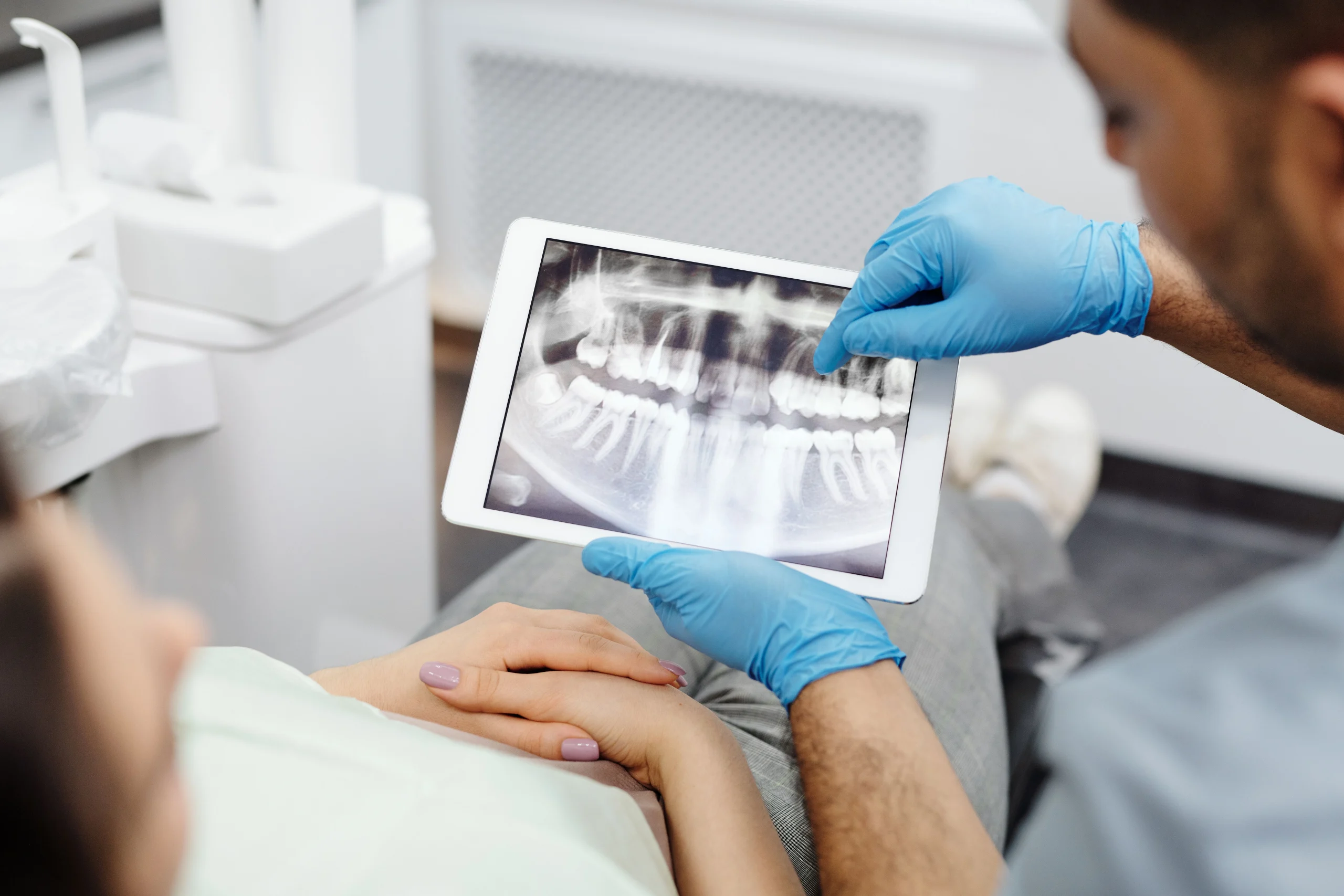
If a CBCT scan shows moderate bone loss and your jaw has enough structure to support a graft, a bone graft followed by conventional implants is often a straightforward, cost-effective route. If you’ve already tried grafting and it didn’t integrate, or your upper jaw has deteriorated to the point where grafting is unlikely to succeed, zygomatic implants vs. bone graft is no longer a close comparison, as zygomatic implants are typically the more reliable path.
Patients who tend to do better with zygomatic implants include those with any of the following:
- Severe maxillary atrophy
- Sinus cavity expansion that limits standard implant depth
- Congenital conditions affecting jaw structure
Patients who have been told they “aren’t a candidate” for implants due to bone loss are often exactly who zygomatic implants were designed for.
As Dr. Kristy Johnson notes, the evaluation process at Periodontal Specialists involves a thorough clinical exam and imaging review before any treatment recommendation is made because the anatomy varies significantly from patient to patient, and the right procedure for one person may be the wrong one for another.
Conclusion
If you’ve been weighing zygomatic implants vs. bone graft after being told your jaw bone isn’t sufficient for standard implants, the next step is a specialist evaluation. The difference between a successful outcome and a prolonged, failed treatment often comes down to accurate diagnosis at the start.
Periodontal Specialists has offices across Southern Minnesota, including Owatonna, Northfield, Rochester, Red Wing, and Winona, with a team of board-certified periodontists trained in both conventional and advanced implant procedures. If you want a clear picture of your options and are in the area, reach out to the team for dental implants in Owatonna, MN.
Address: 605 Hillcrest Ave #110, Owatonna, MN 55060
Phone: (507) 451-1920
Hours: Monday–Thursday 8:00 AM – 5:00 PM | Friday 8:00 AM – 12:00 PM
Frequently Asked Questions
Zygomatic implants can replace a bone graft entirely in many cases of severe upper jaw bone loss. They are specifically designed to eliminate the need for grafting by anchoring into the cheekbone instead. However, some patients may still benefit from a hybrid approach, depending on their anatomy. A specialist evaluation is the only way to confirm which applies to you.
Bone graft healing may take four to nine months before enough bone density exists for implant placement. The full treatment timeline, from graft to final restoration, is commonly 12 to 18 months.
Zygomatic implants are safe when done by a trained specialist. Studies report cumulative success rates above 96% over 5+ years. The risks, including sinus-related complications, are real but manageable with proper pre-surgical imaging and surgical technique.
Patients with very severe jaw bone loss, prior graft failures, certain systemic conditions that impair healing, or those who need to avoid a prolonged multi-stage treatment may not be well-suited for grafting. These patients are often better candidates for zygomatic implants.
Coverage varies by plan. Some insurance policies cover bone grafting when it’s medically necessary, while zygomatic implants are less commonly covered.