TL;DR
- Hard plaque, called calculus or tartar, is mineralized bacterial plaque that has bonded to the tooth surface. Once it hardens, it cannot be removed at home and requires professional intervention.
- Causes of plaque on teeth include inadequate brushing and flossing, dry mouth, a diet high in sugars and starches, smoking, and individual genetic factors affecting saliva composition.
- The only effective removal method is professional scaling by a dental hygienist or periodontist using hand instruments, ultrasonic scalers, or both.
- Below-the-gumline calculus, called subgingival calculus, is particularly damaging because it drives the bone loss associated with periodontitis.
- Prevention is straightforward: brush twice daily, floss once daily, and attend professional cleanings every six months, or every three to four months if you have a history of gum disease.
Why Hard Plaque Cannot Be Removed at Home
Many patients search for ways to remove hard plaque from their teeth at home, hoping for a simple fix. While daily brushing and flossing are very effective at removing soft plaque, hard plaque is a different story.
Untreated plaque can harden into calculus, also known as tartar, at which stage, it becomes firmly attached to the tooth surface and cannot be removed with a toothbrush, toothpaste, floss, or home remedies. Professional scaling is the only safe and effective way to remove hardened deposits.
If tartar buildup has already caused gum inflammation or early bone loss, a periodontal specialist may be the most appropriate provider. They are trained to assess the health of the gums and supporting structures around the teeth and can provide the level of cleaning and treatment needed to address more advanced buildup and gum disease.
What Causes Hard Plaque to Form on Teeth?
Understanding the causes of plaque on teeth helps patients see why certain habits create a faster buildup cycle than others. The process unfolds in two stages:
Stage 1: Soft Plaque Forms
Within hours of brushing, a pellicle, or a thin protein film, forms on the tooth. Bacteria then colonize this film and produce a sticky matrix. This is soft plaque and is removable with a toothbrush and floss.
Stage 2: Plaque Mineralizes
Minerals in saliva, mainly calcium and phosphate, penetrate the plaque matrix and begin to crystallize. Within 24 to 72 hours, soft plaque starts to harden. It can calcify completely into calculus if left untreated for longer. Once calcified, brushing has no effect on it.
Factors that accelerate this process include:
- Infrequent or incomplete brushing and flossing, which allows soft plaque to sit undisturbed long enough to begin mineralizing
- High saliva flow or saliva with elevated mineral content; patients who form calculus quickly despite good home care often have this genetic predisposition
- Dry mouth (xerostomia), which reduces saliva’s natural buffering and cleansing effects
- High consumption of sugary and starchy foods, which feed the bacteria that produce the plaque matrix
- Smoking, which alters saliva composition and promotes faster calculus formation, particularly below the gumline
When Should You See a Periodontist?
You should consider a periodontal evaluation if you notice:
- Bleeding gums when brushing or flossing
- Persistent bad breath
- Gum recession
- Teeth that appear longer than before
- Tartar deposits extending below the gumline
- Loose or shifting teeth
These symptoms may indicate that plaque buildup has progressed beyond a routine cleaning issue and requires periodontal treatment. Dr. Thomas Wolfe notes that one of the most common misconceptions among his patients is that hard plaque can be dissolved with special toothpaste or home remedies. Once plaque has mineralized into calculus, it must be physically removed. The earlier patients address it, the easier treatment tends to be and the better the long-term outcome for their gums.
The Best Way to Remove Hard Plaque from Teeth
The best way to remove hard plaque from teeth depends on where the calculus is located, above the gumline (supragingival) or below it (subgingival), and how much buildup has accumulated. Here is how professional removal is approached:
Supragingival Scaling (Above the Gumline)
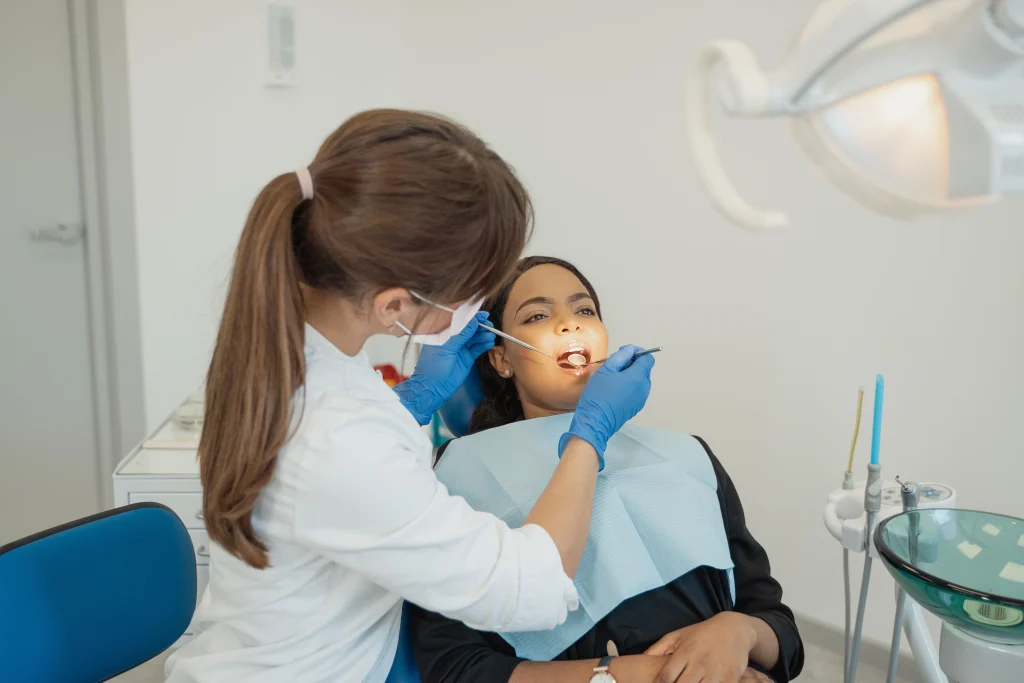
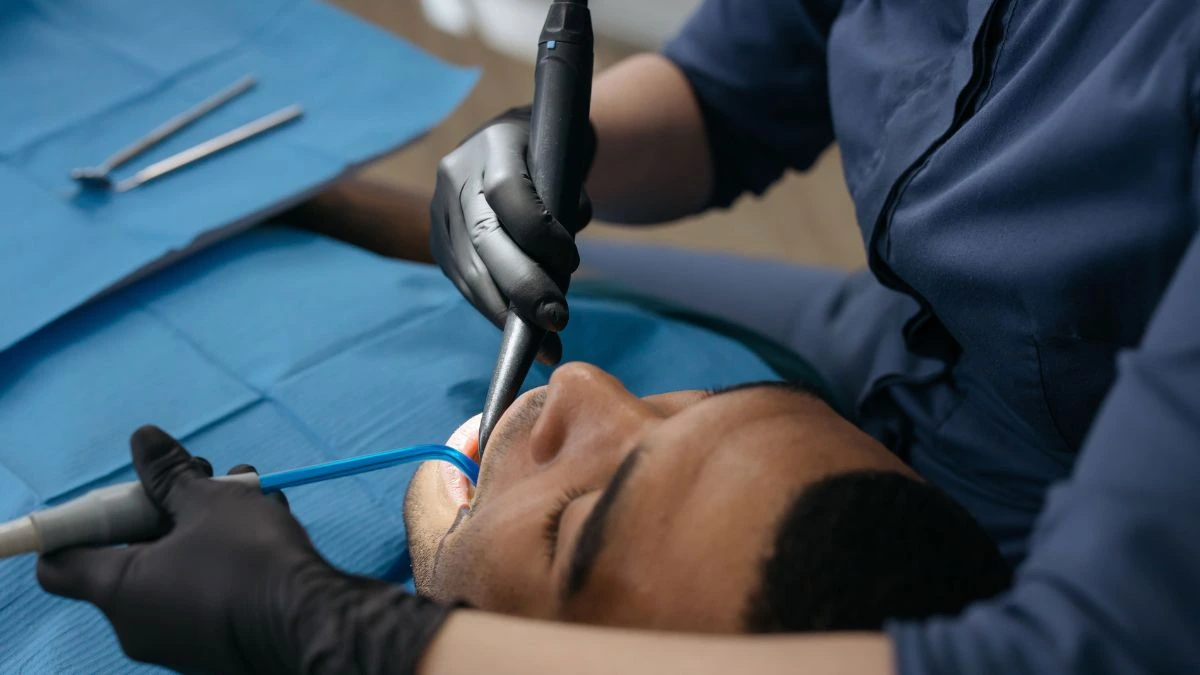
Calculus visible at or above the gumline is removed using hand scalers and curettes, ultrasonic scalers, or a combination of both. Ultrasonic instruments use high-frequency vibration to break apart and flush calculus deposits, while hand instruments help the clinician to find and remove remaining deposits precisely. This is typically performed at a standard dental cleaning appointment, often without anesthesia.
Subgingival Scaling and Root Planing (Below the Gumline)
Calculus below the gumline is more clinically significant because it directly fuels the bacterial environment that destroys the bone supporting the teeth. Removing it requires scaling and root planing (SRP), a deeper cleaning performed under local anesthesia. The root surface is also smoothed (planed) to make it harder for bacteria to reattach. This is the standard treatment for patients diagnosed with periodontitis and is often the primary reason a referral to a periodontal specialist is made.
In clinical practice, patients are often surprised to learn that removing hard plaque is usually faster and more comfortable than they expected. The greater concern is typically the inflammation and bone loss that can occur when calculus remains untreated for months or years.
How to Stop Hard Plaque from Coming Back
Once you have had a professional cleaning, the goal is to slow down the soft plaque-to-calculus conversion cycle. No approach eliminates plaque formation entirely, but these habits make the biggest difference:
- Brush for two complete minutes twice a day with a soft-bristled toothbrush held at a 45-degree angle to the gumline to clean the tooth surface and just beneath the gum margin.
- Floss once daily, preferably before brushing, to disrupt plaque from the spaces between teeth where brushing cannot reach and where calculus is most likely to form.
- Use a fluoride toothpaste. Consider an anti-tartar toothpaste containing pyrophosphates that slow the mineralization of soft plaque in patients who form calculus quickly.
- Limit sugary and starchy snacks between meals. Frequent snacking keeps the bacterial environment consistently fueled.
- Stay hydrated to support adequate saliva flow, particularly if you take medications that cause dry mouth.
- Attend professional cleanings on the schedule your dentist or periodontist recommends.
Hard Plaque Needs Professional Attention
The longer calculus remains on and below the teeth, the more damage the associated bacteria cause to gum tissue and bone. Knowing the importance of getting hard plaque removed from your teeth professionally and acting on that knowledge is what prevents a manageable cleaning appointment from becoming a more involved periodontal treatment.
Hard plaque itself is not the problem. The bacteria that live on and around it are what threaten the gums and supporting bone. Professional removal stops that process and gives patients a clean surface they can maintain at home through daily oral hygiene.
Periodontal Specialists serves patients across southeastern Minnesota with offices in Northfield, Winona, Rochester, Red Wing, and Owatonna. For a periodontal evaluation or scaling appointment, contact a periodontal specialist in Northfield, MN. Call the Northfield office at (507) 663-1815, or request an appointment at the location most convenient for you.
Frequently Asked Questions
No toothpaste can remove calculus that has already hardened. Anti-tartar toothpastes containing pyrophosphates can slow the rate at which soft plaque mineralizes into calculus, which reduces how fast buildup accumulates between cleanings. They are a useful preventive tool, but cannot treat existing deposits.
Scaling and root planing are carried out under local anesthesia, so most patients feel pressure rather than pain during the procedure. Post-procedure sensitivity and mild soreness in the gums for a few days after the procedure are normal. For comfort, over-the-counter ibuprofen or acetaminophen is typically sufficient. If you have significant pain after SRP, report to your provider.
Most dental insurance plans cover scaling and root planing as a major periodontal benefit. Coverage is usually tied to a diagnosed condition (periodontitis) and pocket depth measurements that justify the procedure. Ask the clinic for a pre-authorization before treatment to get a written estimate of your out-of-pocket cost.
Subgingival calculus sustains a high concentration of anaerobic bacteria that progressively destroy the bone and connective tissue holding teeth in place. Over time, this leads to deeper pockets, increased tooth mobility, gum recession, and eventually tooth loss. The bone lost to periodontitis does not regenerate spontaneously, making early treatment the most effective way to preserve the teeth long-term.