Key Takeaways
- Dentures are removable, resting on the gums; implants are titanium posts fused into the jawbone.
- Dentures last 5-8 years; implants can last 20+ years.
- Dentures can slip and don’t prevent bone loss; implants stay fixed and preserve bone.
- Dentures may look less natural over time; implants closely match and keep a natural look.
- Dentures cost less upfront but add up over time; implants cost more initially but are more cost-effective long-term.
- Dentures need daily removal and care; implants are maintained like natural teeth.
- Dentures take weeks to fit; implants take months due to healing.
- The right choice depends on bone density, budget, and lifestyle.
What’s Better for Missing Teeth: Dentures or Dental Implants?
For most patients missing one or more teeth, the choice between dental implants vs. dentures comes down to whether a removable, budget-friendly option fits their needs better than a fixed, longer-lasting one anchored in the jawbone. Both restore the ability to eat, speak, and smile with confidence, but they get there in very different ways, and that difference shows up years down the road, not just on day one.
At Periodontal Specialists, we walk patients through this exact comparison every week, and our own experience guiding people through denture and dental implant treatment across Southern Minnesota is what shapes the breakdown below.
What Are Dentures?
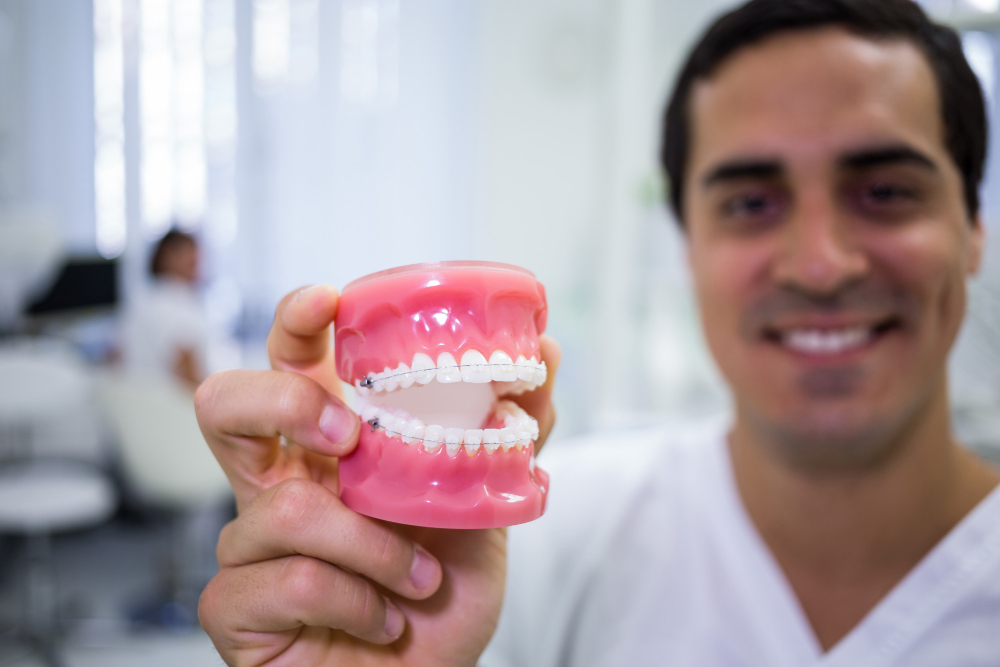
Dentures are removable prosthetics that are crafted to replace missing teeth and surrounding tissues. They come in two main types:
- Full Dentures: For individuals who are missing almost every tooth in one or both arches.
- Partial Dentures: For patients who have a few remaining natural teeth.
Dentures rest on the gums and are held in place using suction, adhesive, or metal clasps.
What Are Dental Implants?
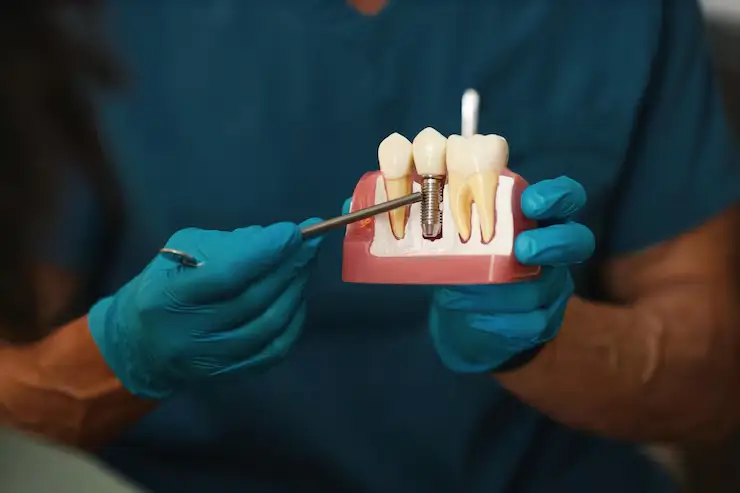
Dental implants are permanent replacements that mimic natural teeth. They use a titanium post that serves as a prosthetic tooth root, surgically inserted into the jawbone. Once healed, a crown, bridge, or denture is attached to the implant, offering a stable and durable solution.
Key Differences Between Dentures and Dental Implants
A denture vs. implant comparison makes the trade-offs easier to see. Here is how the two options stack up across the factors that matter most to patients.
1. Durability and Longevity
Looking at dental implants vs. dentures longevity, the gap is significant:
- Dentures:
- Typically last 5 to 8 years before needing replacement
- Require relining or adjustment as gum and bone shape shifts
- Wear down faster with regular chewing pressure
- Dental Implants:
- Can last 20 years or more with proper care.
- Made of durable materials such as titanium and zirconia.
- Offer a long-term fix that fuses with the jawbone.
2. Comfort and Functionality
One of the biggest considerations when comparing dental implants vs. dentures is comfort and usability:
- Dentures:
- May slip or shift during eating or speaking.
- Require adhesives for stability, which some patients find inconvenient.
- Do not stop the gradual bone loss that changes the shape of the face over time
- Dental Implants:
- Feel and function much like a natural tooth
- Stay firmly anchored, so there is no slipping or repositioning mid-meal
- Preserve the jawbone by transferring chewing forces the same way a natural root does
3. Aesthetic Appeal
Both dentures and implants are designed to restore your smile, but their aesthetic outcomes differ:
- Dentures:
- Modern dentures look more natural than older models, but their appearance can degrade.
- Do not look as natural as dental implants.
- Dental Implants:
- It is manufactured in order to match natural teeth.
- Offer a seamless, natural appearance.
4. Cost Considerations
Cost is a vital factor when deciding between dentures versus implants.
- Dentures:
- Generally more affordable upfront.
- Costs may accumulate over time due to replacements and maintenance.
- Dental Implants:
- Higher initial cost.
- Because of their longevity and low maintenance requirements, it is regarded as a long-term, cost-effective solution.
While implants require a larger investment, their longevity and benefits often justify the expense for many patients.
5. Maintenance and Care
Proper maintenance is essential for both dentures and implants:
- Dentures:
- Must be removed every day for cleaning and soaking.
- Requires careful handling to avoid breakage.
- Dental Implants:
- Cleaned like natural teeth.
- Regular dental check-ups ensure long-term health and stability.
6. Procedure and Recovery Time
The process for dentures and implants varies significantly:
- Dentures:
- Typically require several weeks for fitting and adjustments.
- Immediate dentures may be provided after tooth extraction, but final dentures take time to craft.
- Dental Implants:
- Involve multiple stages, including surgery to place the implant and several months of healing for osseointegration (bone fusion).
- Temporary restorations may be used during healing.
Although implants take longer to complete, the results are often worth the wait.
What Are the Pros and Cons of Dentures vs. Implants?
Weighing the pros and cons of dentures vs. implants is easier when you break each option down.
Dentures:
| Pros | Cons |
| Lower upfront cost | Typically last only 5 to 8 years |
| Non-surgical, faster to get fitted | Can slip or shift while eating or speaking |
| Good option for patients with significant bone loss | Requires adhesive for extra hold in many cases |
| Easier for older adults who are not surgical candidates | Does not prevent ongoing jawbone loss |
| Removable for easy cleaning | Costs add up over time with replacements and relines |
Dental Implants:
| Pros | Cons |
| Can last 20 years or longer, often a lifetime | Higher upfront cost |
| Feel and function like a natural tooth | Requires minor surgery and healing time |
| Firmly anchored, with no slipping or shifting | Needs adequate jawbone density, sometimes requiring a bone graft first |
| Helps preserve jawbone density and facial shape | Takes several months to complete due to osseointegration |
| Cared for just like natural teeth | Not ideal for patients wanting a same-day solution |
Dental Implants vs. Dentures: Which Option Is Right for You?
The ideal option between dentures and dental implants depends on a number of personal circumstances. Here’s what our board-certified specialist, Dr. Thomas Wolfe, recommends patients consider:
Dentures are ideal for:
- Patients with extensive bone loss or gum disease.
- Individuals seeking a less invasive and cost-effective solution.
- Older adults who are not fit for surgical procedures.
Dental implants are ideal for:
- Patients with sufficient bone density to support implants.
- Those seeking a long-term, stable solution.
- Individuals who value comfort and aesthetics over initial cost.
Receiving a comprehensive consultation with your dentist can help you decide which option is best for you.
Can You Replace Dentures with Dental Implants?
Yes, and this is one of the more common questions patients ask after years of wearing a loose or uncomfortable denture. Implants can be placed underneath an existing denture to give it a secure “snap-in” fit, or, for patients who want to be done with removable dentures entirely, the denture can be screwed onto multiple implants and become fixed in the mouth. Options like All-on-4 or All-on-6 implant-supported dentures are designed specifically for this kind of full-mouth restoration.
Final Thoughts
There is no single right answer between dental implants and dentures. The better choice depends on bone health, budget, and lifestyle. A thorough evaluation with a periodontist, including a clinical exam and imaging, is the most reliable way to know which path fits.
At Periodontal Specialists, with more than 50 years of combined experience caring for patients across Southern Minnesota, the team works with each patient to weigh these options honestly, including the trade-offs, before recommending a treatment plan.
If you are weighing dentures against implants, schedule an evaluation with our gum specialist in Owatonna, MN, by calling 507-451-1920 or emailing owatonna@periodontalspecialists.com.
You can also stop by our dental office at 605 Hillcrest Ave #110, Owatonna, MN 55060.
FAQs
Implants involve minor surgery, so there’s some discomfort during healing. Denture fittings are non-surgical but can cause initial soreness too.
Not always. It depends on how much bone density remains, which a periodontist checks through an exam and imaging.
Sometimes the same day, but many cases need a few months of healing first, depending on bone condition.
Long-term, implants tend to preserve jawbone and facial structure, while dentures can lead to gradual bone loss and a looser fit as the years go by.