TL;DR
- Once your gums recede, they cannot grow back on their own, but early treatment can prevent further damage.
- Plaque buildup, aggressive brushing, smoking, and periodontal infections are the main causes behind gum recession.
- Use a soft-bristled toothbrush, brush gently, quit tobacco, and visit your dentist regularly to stop receding gums before they worsen.
- Professional treatments like scaling, root planing, and gum grafts can successfully restore your gum line and protect exposed tooth roots.
What are Receding Gums?
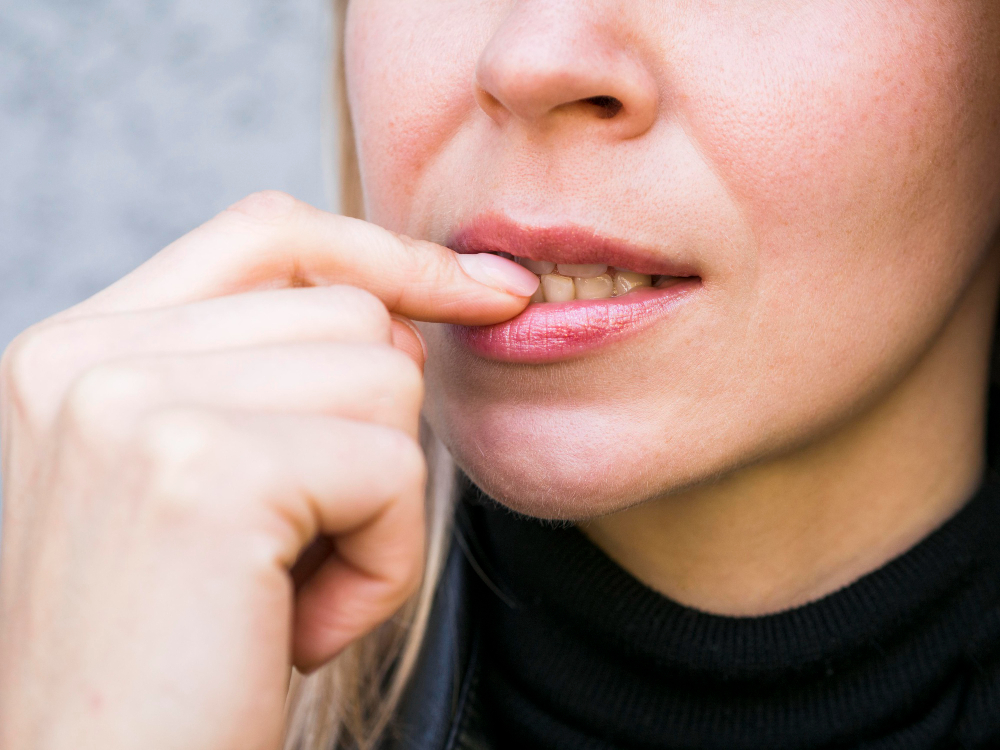
Gum recession occurs when the gum tissue around your teeth gradually pulls back or wears away, exposing more of the tooth or even its root. As this happens, the exposed surfaces become more vulnerable to bacterial invasion and decay. The recession can also create small pockets between the teeth and gums, allowing bacteria to accumulate and worsen the problem.
This often leads to an important question: Can a receding gum grow back on its own? While gums cannot return to their original position once the tissue has been lost, the right treatment, like gum tissue grafting, can prevent further recession and restore support around the teeth. Let’s understand in detail.
Can a Receding Gum Grow Back?
Gum tissue does not naturally regenerate like other tissues in your body, so the simple answer to the question “Can a receding gum grow back?” is regrettably no. Your gums can’t go back to where they were on their own once they’ve receded. Gum tissue lacks the natural regenerative qualities required for regrowth, in contrast to the rapid healing you get after biting your cheek.
There is an important distinction, though. While the existing recession cannot be reversed naturally, early intervention can make a significant difference. In very early stages of gum disease (gingivitis), thorough professional cleaning combined with improved oral hygiene can help “reset” your oral health and prevent further recession. Some minor tissue recovery may occur when inflammation is reduced, but this isn’t true regrowth.
What Causes Gum Recession?
The first step to prevention and successful treatment is knowing what causes gum recession. Here are some common causes:
- Poor Oral Hygiene: When plaque is not brushed away daily, bacteria accumulate and cause irritation to the gum tissue, leading to inflammation and recession of the gum line. When tartar builds up on teeth, it hardens and forms an environment on your teeth where bacteria thrive, harming your teeth-supporting structures.
- Periodontal (Gum) Disease: The most frequent cause of receding gums is periodontal disease, which starts as gingivitis and can develop into advanced periodontitis. This bacterial infection causes tissue loss and eventually tooth mobility by destroying the bone structure under your teeth and gums.
- Aggressive Brushing or Flossing: Aggressive brushing with heavy pressure can be damaging to sensitive gum tissue and tooth enamel. The most substantial contribution to trauma and recession of the gums includes the use of hard-bristled toothbrushes or using excessive force while cleaning.
- Genetics: Regardless of their oral hygiene practices, some people are predisposed to thinner, more fragile gum tissue. Your susceptibility to gum recession is influenced by your family history.
- Hormonal Changes: Gums may become more sensitive and susceptible to recession as a result of changes during pregnancy, menopause, and puberty. These alterations impact oral tissue health and blood flow.
- Tobacco Use: The risk of recession and gum disease is greatly increased by smoking and chewing tobacco. Products containing tobacco slow the healing process and reduce blood flow to gum tissue.
- Misaligned Bite or Teeth Grinding: Bruxism causes mechanical tension on the gums while the teeth move back and forth, hence putting pressure on the supporting tissues. This continuous force results in swollen ligaments and progressive gum recession.
- Other Factors: Gum recession and damage can also be caused by oral piercings, diabetes, and some medications.
How to Prevent Gum Recession?
Gum recession prevention is considerably easier than trying to repair it later. Here are some tips from our experts at Periodontal Specialists on how to stop receding gums:
- Maintain Good Oral Hygiene: Brush twice a day with fluoride toothpaste, floss regularly, and visit your dentist every six months for cleanings and early detection of gum problems.
- Use Soft-Bristled Toothbrush: Always use a soft-bristled brush and hold it by the fingertips only, not firmly. Gentle circular motions around the teeth are more effective for removing bacteria without damage to the gum tissues than firm scrubbing.
- Quit Smoking: Quitting smoking greatly enhances gum health and reduces your risk of periodontal disease. Tobacco products are closely linked to the onset and progression of gum recession.
- Correct Bite Issues: If you grind your teeth or have misaligned teeth, check with your dentist about orthodontic solutions or a night guard. These help with mechanical stresses to your gums and protect them from undue pressure.
- Healthy Diet: Consuming calcium-rich and vitamin C-rich foods, which are known to keep the gums healthy, fortifies your oral tissues and strengthens your immune system.
Treatment Options for Receding Gums
Gum recession treatment options range from non-surgical to advanced surgical procedures, as outlined below:
Non-Surgical Treatments
- Scaling and Root Planing: This deep-cleaning procedure uses manual or ultrasonic tools to remove plaque and tartar above and below the gum line. Root planing smooths the surface of the tooth so that healthy gum tissue can reattach more easily and reduces bacterial pockets.
- Antibiotics or Antiseptic Rinses: Brief courses of oral antibiotics and antimicrobial mouthrinses help to minimize bacteria and inflammation in the mouth. These medications can be used in combination with scaling and root planing to improve treatment outcomes.
Surgical Treatments
- Gum Grafts: Gum grafting is a surgical way to restore lost gum tissue. In a connective tissue graft, tissue from the roof of the mouth is attached to cover exposed tooth roots. Free gingival grafts add tissue where the gums need extra support.
- Pinhole Surgical Technique: This is a minimally invasive procedure that repositions existing gum tissue over the receding areas through small holes, thus avoiding grafts or sutures.
- Regeneration Procedures: In cases where bone structure is severely compromised, your periodontist may use regenerative materials, such as membranes, tissue-stimulating proteins, or graft tissue, to help your body heal damaged bone and tissue on its own.
Final Thoughts
Now that you have the answer to “Can a receding gum grow back,” it’s important to take proactive steps to protect your oral health. While gums cannot regenerate naturally, early care and professional treatment can prevent further recession and maintain a healthy smile.
At Periodontal Specialists, we know that the foundation of your general oral well-being begins with your gums. Whether you are concerned about receding gums or would like to learn more about the treatment options available to you, our expert team is here to help you maintain a healthy, confident smile for years to come.
Reach out to our friendly periodontal specialists in Northfield, Rochester, Red Wing, Owatonna, or Winona, MN, today and take the first step toward healthier gums.
FAQs
How fast does gum recession progress?
Gum recession usually occurs gradually and takes several months or even years to form. The speed depends on the cause that precipitates it: aggressive brushing leads to faster recession compared to age-related changes, whereas periodontal disease can be very aggressive and accelerate tissue loss.
Can gum disease cause tooth loss?
Indeed, one of the main causes of adult tooth loss is advanced periodontal disease. Teeth become loose and may eventually fall out or need to be extracted when gum disease erodes the bone and tissue that support them.
Is gum grafting painful?
Modern gum grafting procedures are performed under local anesthesia, so you won’t feel pain during surgery. Post-operative discomfort is manageable with prescribed pain medication, and most patients return to normal activities within a few days.
Can children have receding gums?
Children may experience receding gums as a result of aggressive brushing, orthodontic problems, or poor oral hygiene, though this is less common than in adults. Early dental checkups assist in detecting and treating these issues before they become more serious.
How do I know if my gums are receding?
Watch for warning signs, such as teeth that appear longer than usual, exposed tooth roots, sensitivity to hot and cold temperatures, and visible notches at the gum line. Your dentist can diagnose early recession during routine examinations, even before symptoms become apparent.