
TL;DR
- Dental implant surgery helps restore your smile naturally and confidently with a safe, reliable procedure.
- Each dental implant has three key parts, including a titanium post, an abutment, and a crown.
- Unlike dentures or bridges, implants stay secure, protect your jawbone, and can last for many years with good care.
- The dental implant process involves a consultation, implant placement, healing, and attaching the final crown.
- After surgery, you might experience mild soreness or swelling, but it usually eases within a few days.
- The cost of a single dental implant typically ranges from $3,000 to $4,500.
- With regular oral care, implants can last over 20 years and bring back full comfort and confidence in your smile.
A Complete Guide to Dental Implants
Dental implant surgery is now one of the most trusted ways to replace missing teeth. Implants are strong, long-lasting, and look and feel just like natural teeth. With a success rate of around 95% after adequate healing time has passed, implants help restore both comfort and confidence when you smile.
The dental implant process involves placing a small titanium post in the jawbone to act as a new tooth root. Once it bonds with the bone, a crown is added on top to complete the tooth structure. Though it is a surgical procedure, it is safe, routine, and performed under local anesthesia or light sedation to ensure comfort.
This guide explains everything you need to know, including the parts of an implant, how the procedure works, what recovery looks like, and why implants are a smart, long-term choice for your oral health.
Key Components of an Implant System

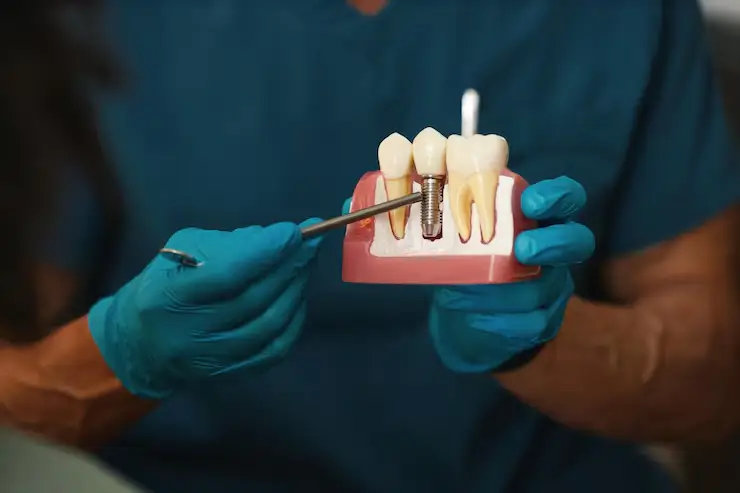
A dental implant works much like a real tooth. It is strong, stable, and securely joined with your jawbone. The three main parts of a dental implant are:
- Implant Post (Root Substitute): A small titanium screw that acts as the tooth root. It’s placed in the jawbone and gradually bonds with it through osseointegration, creating a solid base.
- Abutment: It is the connector that joins the implant post to the crown.
- Prosthetic Crown (Visible Tooth): It is the visible, custom-made tooth designed to match your natural smile.
Why Choose Implants Over Other Restorations
As per our experts at Periodontal Specialists, dental implants stand out from traditional options for several important reasons:
- Natural Integration with Bone: The implant fuses directly with the jawbone, creating a strong, stable foundation while preventing bone loss.
- Preserves Facial Structure: By maintaining bone density, implants help retain your facial shape and prevent the sunken look that can occur with missing teeth.
- Superior Comfort and Function: Implants feel and function like real teeth, allowing you to eat, speak, and smile with confidence.
- Long-Lasting Solution: With proper oral hygiene and regular checkups, dental implants can last 20 years or more, often a lifetime.
- Natural Aesthetics: Each implant is topped with a custom-made crown designed to match your existing teeth for a seamless, natural smile.
The Dental Implant Surgery Process Explained

At Periodontal Specialists, we take a step-by-step approach to ensure every dental implant surgery is successful. Here’s how the process works:
- Consultation and Evaluation
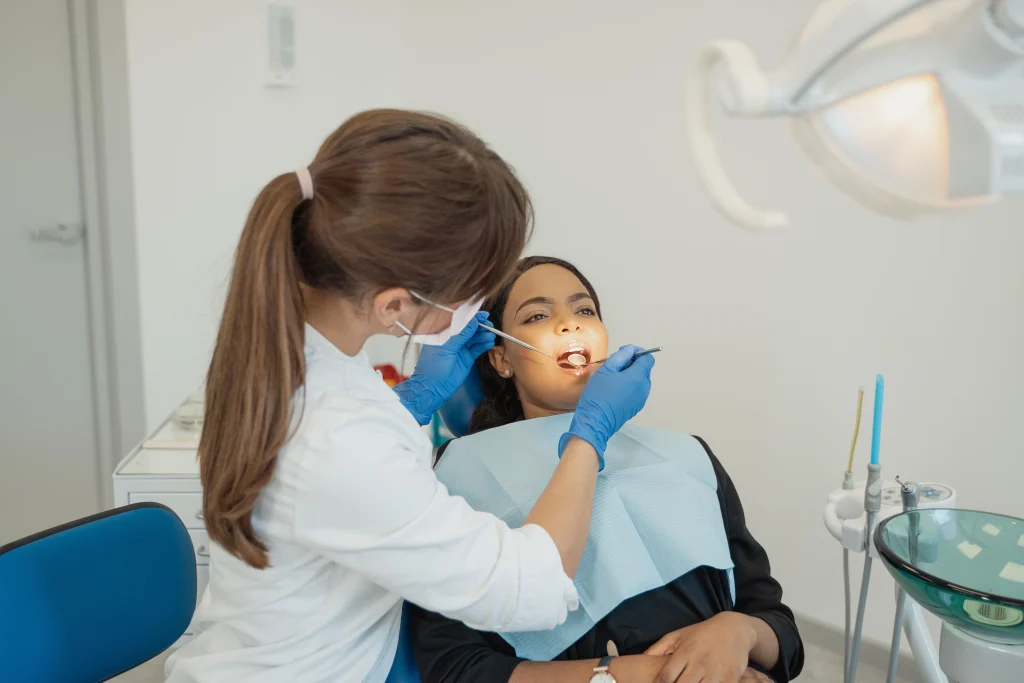
The process starts with a visit to your dentist. They’ll examine your teeth and gums, and take X-rays or 3D scans to see if your jawbone is strong enough for an implant. If the bone needs extra support, a minor bone graft might be suggested to strengthen it before the implant is placed.
- Treatment Planning
Once that is done, your dentist prepares a treatment plan. It explains the type of implant you’ll receive, where it will be placed, and what the timeline looks like. You’ll also get simple instructions to follow before your surgery.
- Implant Placement Surgery
On the day of the procedure, the dentist gently places a small titanium post into your jawbone. You’ll be under local anesthesia, so you’ll stay comfortable throughout. Most patients describe this step as easier than having a tooth removed.
- Osseointegration (Healing Phase)
After the surgery, your body begins to heal. Over the next 3-6 months, your jawbone naturally fuses with the implant. This process, called osseointegration, helps anchor the implant firmly in place, just like a real tooth root.
- Abutment Placement
When healing is complete, your dentist attaches a small connector called an abutment. This piece will hold your new crown securely in place.
- Crown Placement
The final step is fitting your crown. It’s custom-made to match your natural teeth in shape, size, and color. Once it’s placed, your implant looks and feels completely natural, letting you chew, speak, and smile like before.
What Patients Can Expect After Surgery?
Getting dental implants can sound a bit intimidating at first, but knowing what to expect can help you feel more prepared and confident. Here’s a look at the dental implant surgery recovery process and what typically follows the procedure:
Right After Surgery
Some swelling or tenderness is completely normal for a day or two. Applying ice packs and taking prescribed medication can help ease discomfort while your mouth begins to heal.
Recovery
Most people start feeling back to normal within a few days. It’s best to stick to soft foods, brush gently, and avoid smoking while your implant settles in. Over time, the implant fuses with your jawbone, creating a strong and stable base for your new tooth.
Long-Term Care
Once healed, caring for your implant is just like caring for your natural teeth. Regular brushing, flossing, and dental checkups keep it in great shape. With good care, your implant can last for many years while restoring full function.
Cost Overview and Value of Dental Implants
A single implant in the U.S. usually runs between $3,000 and $4,500. If you need several implants or a full set of teeth replaced, costs can go up to $60,000 to $90,000 or more, depending on the treatment and materials used.
Factors Affecting Price
Several factors can change the total cost:
- Number of Implants: Naturally, the more implants you need, the higher the cost.
- Extra Procedures: Some patients may need bone grafts or tooth extractions before the implant, which can add to the total cost.
- Materials Used: Most implants are made from titanium, but zirconia options can cost a little more.
- Dentist’s Experience and Location: Specialists or dentists in certain areas may charge more. They look at your jawbone, gums, and overall oral health to plan the procedure carefully and give you the best long-term results.
Dental implants are more expensive than dentures or bridges at first, but they are built to last and provide many benefits. Because implants don’t rely on the teeth next to them, your natural teeth stay untouched. They also help keep your jawbone strong, preserve your facial shape, and look and function just like real teeth.
Conclusion
Dental implant surgery can truly change your life. It restores not just your smile, but also your ability to eat, speak, and enjoy daily life comfortably. Implants protect your jawbone from shrinking, support your facial structure, and feel just like your own teeth. Knowing what to expect before, during, and after the procedure helps you feel prepared and confident about your treatment.
If you’re considering dental implants, periodontal specialties can guide you through every step. Schedule a consultation with our experienced periodontal dentists in Rochester, Northfield, Red Wing, Owatonna, or Winona to explore your options and find the best solution for your smile.
FAQs
Most people actually feel less discomfort during an implant than they do with a tooth extraction. Local anesthesia and sedation options keep the procedure comfortable and largely pain-free.
It doesn’t happen often, but sometimes the implant may not fully integrate. If that happens, the dentist can remove the implant, let the area heal, and place a new implant later.
Yes, but for the implant to heal well, it’s important to have healthy gums and steady blood sugar levels.
Start with soft foods for a few days after surgery. Once your dentist checks that your mouth is healing properly, you can slowly go back to eating normally.